
Your cart is currently empty
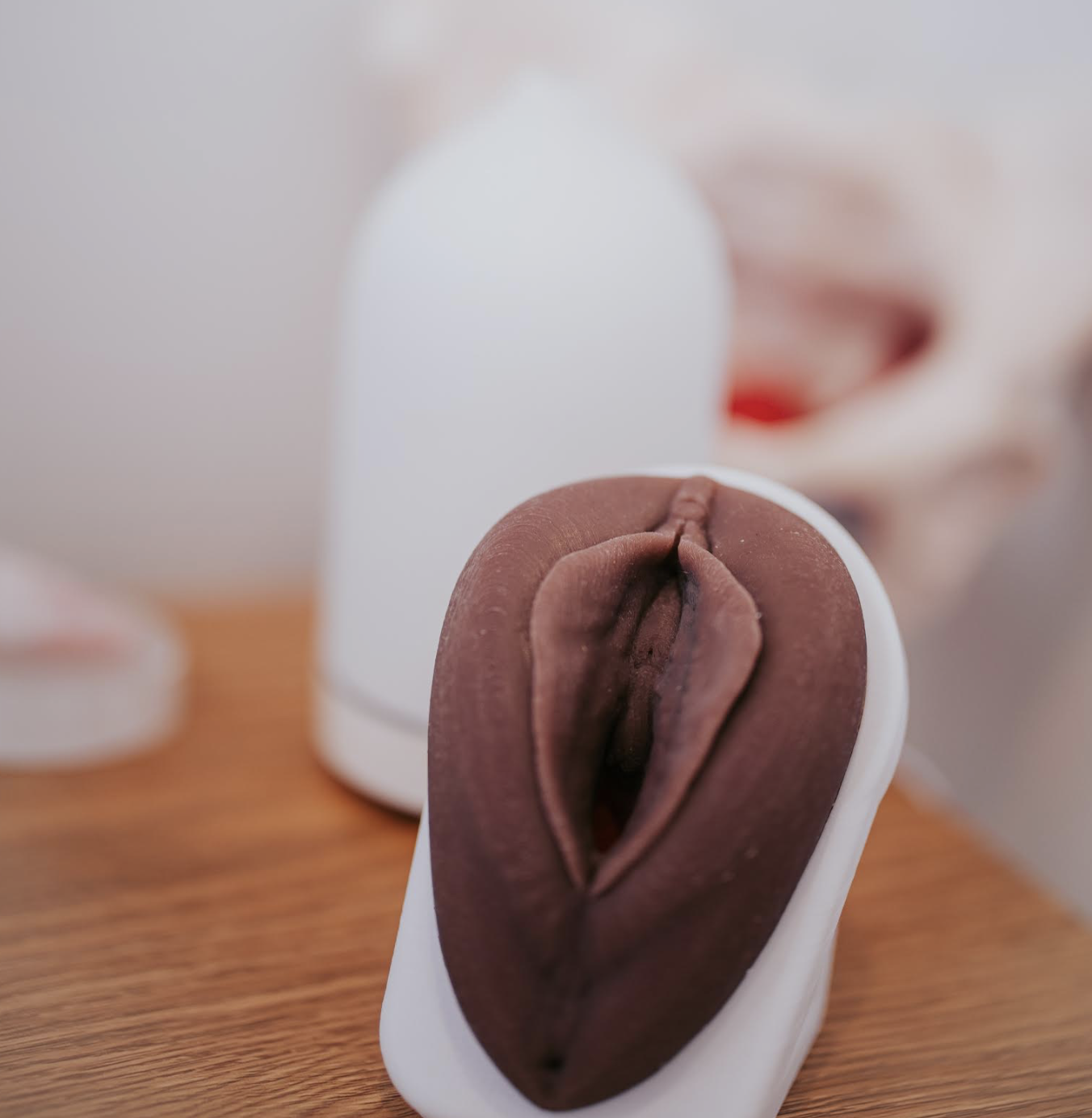
A step-by-step guide to prepare for birth and reduce your risk of tearing
Preparing your body for birth isn’t just about packing a hospital bag or writing a birth plan — it’s also about helping your tissues and muscles adapt to what’s ahead. One simple, evidence-based way to do this in late pregnancy is perineal massage.
What is perineal massage?
Perineal massage is a technique used in late pregnancy to help prepare the perineum for birth and reduce the risk of severe perineal tearing.
The perineum is the area of tissue between the vagina and the anus. As your baby’s head is born, this area needs to stretch significantly. Many women describe an intense burning or stinging sensation as this happens (often called the “ring of fire”).
Our natural response to this sensation is to tense or hold our breath — but for birth, the pelvic floor muscles need to soften and relax to allow the baby’s head and shoulders to pass through smoothly.
The purpose of perineal massage is to:
-
Gently stretch the perineal tissues
-
Increase blood flow and tissue flexibility
-
Teach you how to relax your pelvic floor muscles while experiencing a stretching or burning sensation
This skill can be incredibly helpful during the crowning phase of labour.
Why perform perineal massage?
Research shows that perineal massage in pregnancy can lead to meaningful benefits, including:
-
21% decreased risk of episiotomy
-
62% decreased risk of 3rd and 4th degree perineal tears
-
Reduced duration of the second stage of labour
-
Significantly reduced perineal pain postpartum
-
Significantly reduced risk of anal incontinence
It’s a small time investment that may have a big impact on your birth and recovery.
When not to perform perineal massage
Do not perform perineal massage if you have:
-
Cervical shortening
-
Placenta praevia (low-lying placenta)
-
Unexplained vaginal bleeding
-
Severe blood pressure problems
-
An active vaginal infection (e.g. herpes or thrush)
If you’re unsure whether perineal massage is right for you, speak with your midwife, doctor, or pelvic health physiotherapist.
When can you start?
You can begin perineal massage from 34 weeks of pregnancy.
Before you start
Creating a relaxed environment will help your pelvic floor soften more easily.
Helpful options include:
-
A warm bath or shower beforehand
-
Applying a warm compress (such as a clean face washer) to the perineum for 10 minutes prior
What you’ll need
-
A water-based lubricant or natural oil (coconut, sweet almond, or jojoba oil)
-
A comfortable, private space (bedroom or bathroom)
-
Optional: candles or essential oils to create a calming atmosphere
-
A mirror (especially helpful for the first few sessions so you can see your perineum)
Step-by-step guide to perineal massage
-
Empty your bladder
-
Ensure your hands are clean and your nails are trimmed
-
Find a comfortable position, such as propped up in bed with pillows
-
Apply lubricant to your thumb and to the entrance of the vagina
-
Insert your thumb 3–5 cm into the vagina (approximately to the first knuckle)
Imagine the vaginal opening is a clock face:
-
Turn your thumb towards 8 o’clock
-
Apply gentle pressure down and to the side until you feel a mild stretching or burning sensation
-
Hold this stretch for around 1 minute
As you hold:
-
Take slow, deep breaths into your belly
-
Focus on relaxing and softening into the stretch
-
Repeat this process at each point along the clock face from 8 o’clock to 4 o’clock
-
As you become more comfortable over time, aim to:
-
Insert both thumbs
-
Maintain gentle outward pressure
-
Slowly sweep side to side, creating a ‘U’ shape
-
How often should I do perineal massage?
Perform perineal massage for 5 minutes, 3 times per week until birth
It’s normal to feel a mild burning or stretching sensation initially. Most women find this sensation significantly reduces or disappears by the second or third week.
What if I can’t reach my perineum?
Totally understandable — bumps can get in the way!
Try:
-
Sitting on the toilet
-
Standing with one foot elevated
-
Using a pelvic wand or perineal massage tool (such as the Perimom)
You can also ask your partner to help. They can:
-
Use 1–2 clean index fingers
-
Apply gentle pressure based on your feedback
-
Stop immediately if you experience pain
Clear communication is key — pressure should feel like a stretch, not pain.
A helpful visualisation tip
Picture an upside-down flower inside the vagina.
As you (or your partner) perform the massage, imagine the petals gently opening.
This same visualisation can be incredibly helpful during the crowning phase of labour.
Is there anything else I can do to reduce my risk of tearing?
Yes! Combining perineal massage with other strategies can further reduce your risk.
Research shows that performing both pelvic floor exercises and perineal massage during pregnancy is most effective.
During labour, speak with your healthcare team about:
-
Applying a warm compress during the second stage
-
Adopting positions such as kneeling, all-fours, or side-lying
-
Using a hands-on technique, where the perineum is supported to encourage a slow, controlled birth
Final tips
-
Avoid pressure at the top of the vaginal opening
-
Massage gently — forceful massage can cause bruising or swelling
-
If you experience pain, stop and seek advice from a health professional
-
While perineal massage is safe and beneficial, only continue if it feels right for you
-
A pelvic health physiotherapist can perform perineal massage for you 1–2 times per week if you prefer professional support
References
-
Abdelhakim et al. (2020). Antenatal perineal massage benefits in reducing perineal trauma and postpartum morbidities: a systematic review and meta-analysis of randomized controlled trials. International urogynecology journal, 31(9), 1735–1745. https://doi.org/10.1007/s00192-020-04302-8
-
Beckmann, M. & Stock, O. (2013). Antenatal perineal massage for reducing perineal trauma. Cochrane Database Systematic reviews. (4) CD005123
-
Dieb et al. (2020). Perineal massage and training reduce perineal trauma in pregnant women older than 35 years: a randomized controlled trial. International urogynecology journal, 31(3), 613–619. https://doi.org/10.1007/s00192-019-03937-6
-
Mater Mother’s Hospital Patient Information (2024). Perineal Massage. Retrieved from: http://brochures.mater.org.au/brochures/mater-mothershospital/perinealmassage
-
The Royal Women’s Hospital (2023). Practising perineal massage during your pregnancy. Retrieved from: https://thewomens.r.worldssl.net/images/uploads/fact-sheets/Practising-perinealmassage-during-your-pregnancy-230503.pdf
-
Australian Commission on Safety and Quality in Health Care. (2021). Perineal tears: What you need to know during pregnancy. Retrieved from: https://www.safetyandquality.gov.au/sites/default/files/2021- 04/what_you_need_to_know_during_pregnancy_-_perineal_tears_ccs_0.pdf
Disclaimer: This guide is for general information only. For specific advice about your healthcare needs, you should seek advice from your health professional.